
Replacement Glass Installed Where Your Vehicle Sits
Auto glass replacement in Williston for side windows, back glass, and windshields that cannot be repaired
When auto glass is broken, shattered, or cracked beyond the repairable threshold, the glass has to come out and be replaced with a correctly fitted unit. Blaine's Auto Glass replaces side windows, back glass, and windshields in Williston with fully mobile service—no shop visit required. Vehicles across Williston's large working fleet, including pickup trucks, SUVs, and commercial units, regularly need glass replacement after impacts, and mobile service means the work happens at your job site, driveway, or wherever the vehicle is when the damage occurs.
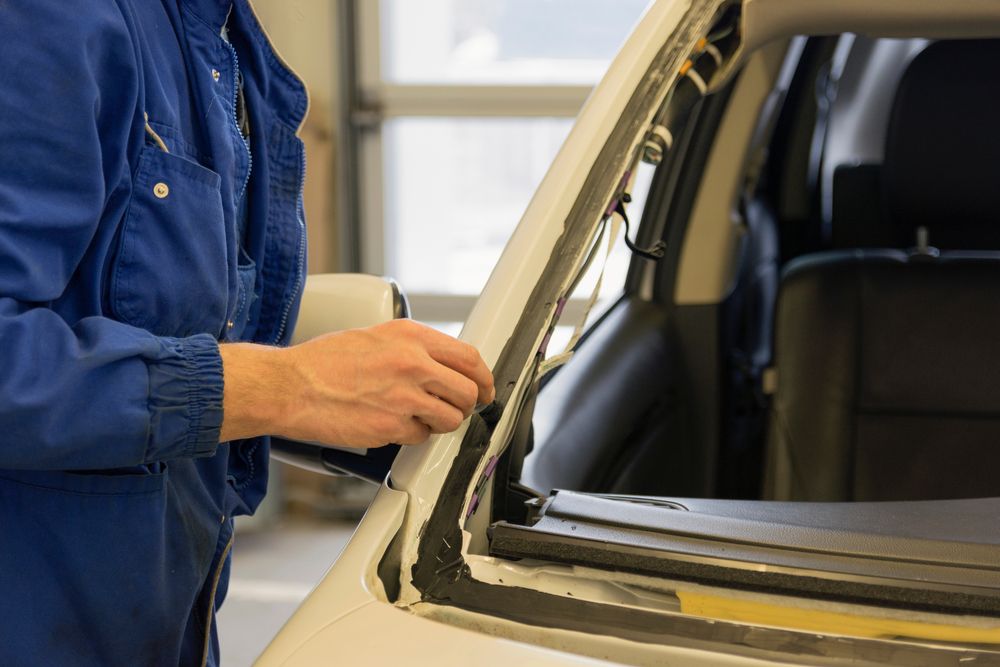
Replacement begins by removing the damaged glass—cutting the urethane seal for windshields or releasing the regulator and door seals for side windows. The frame is cleaned and inspected for any damage or corrosion that would prevent a clean seal on the new glass. Fresh urethane is applied around the perimeter for windshields, and the replacement glass is set under consistent pressure with alignment checked before the adhesive begins to cure. The vehicle is ready to drive after a one-hour cure period. Insurance claims are processed directly through the insurer when applicable; all other jobs are quoted on-site with no charges added after completion.
Set up an on-site quote to confirm the glass type for your vehicle and get replacement scheduled at your location.
What Proper Auto Glass Replacement Requires
Frame preparation is the step that most directly determines how long a replacement holds. A urethane bead applied to a frame with residue from the previous seal, surface rust in the bonding channel, or moisture from the removal process will not achieve full adhesion across the perimeter. The consequence is not always immediate—it often appears months later as a slow water leak, increased wind noise, or glass that shifts slightly in the opening. Thorough frame cleaning before applying fresh urethane is the step that prevents those outcomes, and it cannot be skipped without reducing the reliability of the finished installation.
After Blaine's Auto Glass completes a replacement, the new glass sits flush in the opening, the seal is continuous with no visible voids at any edge, and the vehicle's interior shows no water intrusion after rain exposure. For side windows, the glass moves on the regulator without binding and seals against the weather stripping at both the top and bottom of the travel range.
Glass replacement covers the glass and seal; components such as embedded defrost grids, antenna leads, and camera mounts are addressed during the assessment and noted clearly before work begins. Vehicles equipped with forward-facing cameras near the windshield may require camera recalibration after installation, depending on the make and model, and this is identified before the job is scheduled.
Questions Before Starting Your Replacement
The following questions address how auto glass replacement is performed, what preparation is needed, and what you should observe once the new glass is installed.
What has to be removed or disconnected before the old glass comes out?
For side windows, the door panel is partially or fully removed to access the regulator and glass retaining clips. For windshields, interior trim along the A-pillars and the cowl cover at the base of the glass are moved to allow clean access to the urethane seal. Any electrical connections to heated glass elements or sensors are disconnected before removal.
How is replacement glass matched to the original unit?
Glass is matched by vehicle year, make, model, and specific build codes that identify features like embedded antennas, acoustic interlayers, or tinted bands. Using glass that matches the original specification ensures sensors and camera systems that rely on consistent optical properties through the glass continue to function correctly.
Why does frame condition matter so much for replacement outcomes?
The urethane bond that holds windshield glass in place transfers roof load forces through the glass perimeter into the frame. Any gap or soft spot in that bond creates a point where the glass can shift under load, which over time works the seal loose from the inside. A properly cleaned and prepped frame is what allows the fresh urethane to bond uniformly on its first application.
What does the one-hour cure period involve and why is it a hard limit?
Urethane adhesive follows a chemical cure cycle, not just a drying process. Within the first hour it develops enough tensile strength to hold the glass against road vibration without shifting. Driving before this threshold is reached puts lateral stress on a partially cured bond, which can cause micro-separation at the glass edge that is not visible but reduces the long-term integrity of the seal.
How does the distance between towns in the Williston area affect how glass replacement is typically handled?
Driving a vehicle with compromised glass—especially a cracked or missing side window—across the distances common between Williston and surrounding communities is a significant inconvenience and a safety concern. Mobile service addresses that directly by bringing the replacement to the vehicle's current location, whether that is a job site outside town or a residence that is not easily accessed during a standard workday.
Blaine's Auto Glass provides on-site quotes and schedules replacement at your location, often with next-morning availability. Blaine's Auto Glass also performs auto glass replacement in Watford City, Tioga, Ray, Alexander, and Trenton. Call (701) 713-4100 to arrange service at your vehicle's location.