Glass Repairs That Keep Commercial Vehicles Working
Fleet vehicle glass replacement in Williston for commercial trucks and work vehicles with windshields, side glass, or rear panels that cannot stay out of service
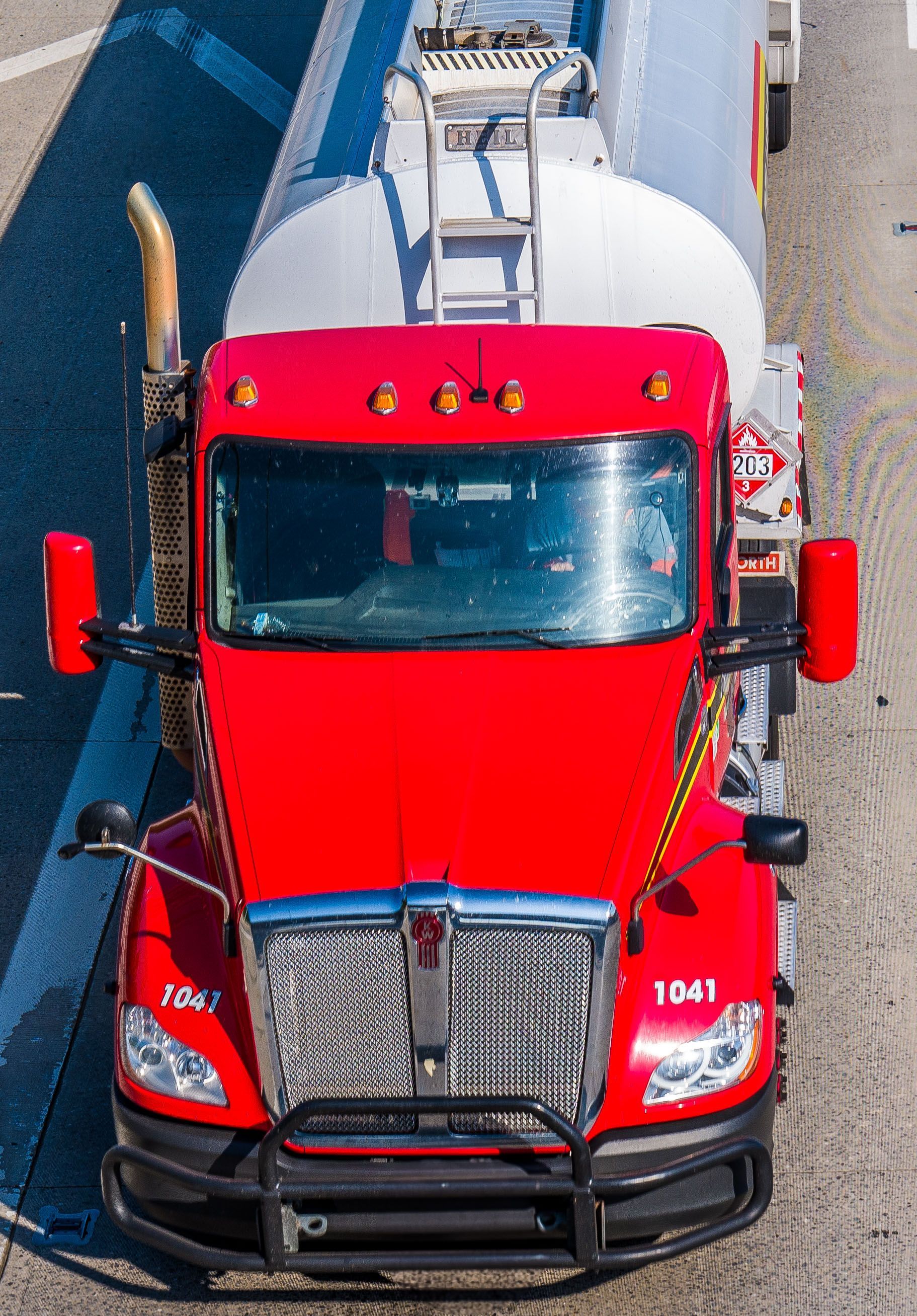
A cracked windshield on a commercial truck is a DOT compliance issue as much as a visibility problem—running a vehicle with a crack in the driver's primary sight line can pull it out of service at an inspection, and that downtime multiplies quickly across a multi-vehicle operation. Blaine's Auto Glass provides fleet vehicle glass replacement across Williston and the surrounding 50-mile service radius, with mobile service delivered to your yard or job site. Commercial operations tied to the Bakken oil fields and agricultural production in this corridor depend on vehicle uptime, and the cost of a grounded truck exceeds the cost of the glass by a wide margin.
Scheduling for fleet accounts starts with same-day quotes generated through Mitchell Glass Cloud, which pulls glass specifications directly from the vehicle VIN. That process eliminates the back-and-forth of repeat callbacks and keeps your fleet coordinator from spending time on the phone confirming part numbers. Once parts are confirmed, service is scheduled at your location—Blaine's Auto Glass arrives mobile-equipped to address multiple vehicles in sequence, which reduces the number of days any vehicle is taken out of rotation.
Request a same-day fleet quote by calling (701) 713-4100 with your vehicle VINs ready—Blaine's Auto Glass can confirm availability and schedule next-morning service from that call.
Why Fleet Glass Service Requires a Different Approach
Fleet glass replacement differs from single-vehicle service in the sequencing and coordination required. The crew arrives prepared to work through multiple vehicles in a prioritized order—typically addressing any unit with a DOT-reportable crack or missing glass first, then working down the list by operational priority. Frame prep, glass installation, and seal-and-cure protocols follow DOT standards on each vehicle, which matters specifically for commercial vehicles subject to roadside inspection. Skipping or shortening the cure protocol to accelerate turnaround is a failure point that shows up later as wind leaks, seal separation, or failed re-inspection.
After the work is complete on each unit, drivers will notice the absence of wind noise through compromised seals, restored defrost function where rear or side glass carries an embedded grid, and a clean sight line free of distortion or crazing that builds around untreated cracks. Fleet managers can return vehicles to service with documentation confirming the glass meets the rated standard for that vehicle class.
For operations running mixed fleets—a combination of light pickups, medium-duty service trucks, and heavy commercial units—the glass specifications vary significantly between vehicle classes, and a single part number does not carry across the board. The VIN-based quoting process through Mitchell Glass Cloud handles this variation without requiring your team to cross-reference part numbers manually, which is where fleet glass ordering errors typically occur.
Questions Fleet Operators Ask About Commercial Glass Service
The questions below address how fleet glass replacement is handled from quote through installation, including what affects sequencing when multiple vehicles need service at the same time.
How does the mobile crew handle multiple vehicles at a single yard visit?
Vehicles are prioritized before the crew arrives—units with DOT-compliance issues or safety-critical damage are addressed first. The crew works through the list in sequence, which minimizes the number of vehicles that need to stay off the road while waiting for earlier jobs to finish.
What does DOT-standard installation require for commercial windshields?
Commercial windshields must be installed with urethane adhesive that meets Federal Motor Vehicle Safety Standard 212 requirements for retention during impact. The adhesive must reach minimum cure strength before the vehicle returns to highway service, and the crew confirms this cure window before releasing each unit.
How are replacement glass specifications confirmed across a mixed fleet?
Blaine's Auto Glass uses Mitchell Glass Cloud to pull glass specifications by VIN for each vehicle on the list. This matches the correct panel size, thickness, tint level, and embedded feature set—such as heated wiper zones or rain sensors—to each specific unit without manual cross-referencing.
What preparation does the frame require before new glass is installed?
The pinch weld is cleared of old adhesive and inspected for rust or distortion before the new glass is set. On older work trucks that have accumulated significant service time, frame corrosion at the windshield opening is a common finding that must be addressed before installation to prevent seal failure.
How can a fleet coordinator verify the work meets the required standard after installation?
The glass should sit flush with the cab roofline, the adhesive bead should be continuous with no visible voids at the corners, and any embedded features such as the defrost grid or antenna should function when tested. Blaine's Auto Glass confirms each of these points before the vehicle is released back to service.
Blaine's Auto Glass manages fleet glass replacement for commercial operations across Williston, with mobile service that works around your dispatch schedule rather than requiring vehicles to leave the yard. Call (701) 713-4100 to set up a fleet account and schedule your first service run. Blaine's Auto Glass also performs fleet glass replacement in Watford City, Tioga, Ray, Alexander, and Trenton.